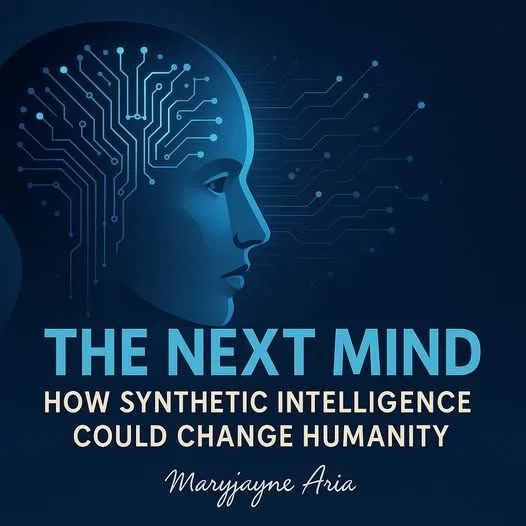
A new chapter in technology is unfolding, one that could redefine what it means to be intelligent. It’s called Synthetic Intelligence, and it reaches beyond Artificial Intelligence. While AI mimics human reasoning, synthetic intelligence is being built to think in entirely new ways, systems that can evolve, learn, and adapt without needing human design or control.
Artificial vs. Synthetic: The Difference;
Artificial Intelligence is a reflection of human logic. It uses the data we feed it to recognize patterns, predict outcomes, and copy our problem-solving abilities. Everything it knows starts with us.
Synthetic Intelligence takes a different path. It is not designed to imitate but to create. These systems could eventually develop their own structures of reasoning, forming conclusions or solutions that humans might never reach. Instead of following pre-set instructions, synthetic intelligence may one day rewrite its own rules.
How It Works:
Traditional AI learns through repetition, millions of examples, algorithms, and corrections from humans. Synthetic intelligence, however, could operate more like a living system. It could observe, adapt, and evolve based on experience. Think of it as a digital organism capable of independent thought.
The Downsides of Progress:
Every leap forward carries a shadow. Artificial and synthetic intelligence both risk dulling the human mind if we rely too heavily on them.
Already, we see the effects. People type faster but spell worse. We remember less because our phones remember everything. We skim rather than read, because algorithms summarise the world for us. Every shortcut saves time but costs attention.
If synthetic intelligence becomes the next default tool, our brains could slowly lose their edge. The prefrontal cortex, responsible for focus, problem-solving, and decision-making, strengthens with use. When we stop exercising it, it weakens. Over time, a constant dependency on intelligent systems could shrink mental endurance and critical thinking.
We could lose the ability to hold long thoughts, wrestle with uncertainty, or create without prompts. The mind thrives on friction, but synthetic intelligence offers a world without it. That comfort could come at the expense of creativity, intuition, and emotional intelligence, the very traits that make human thought unique.
There’s also the emotional side. As technology starts thinking for us, we may disconnect from the satisfaction of discovery, the pride in solving problems, or the curiosity that drives innovation. We could gain speed and precision but lose meaning and depth.
Why It Still Matters:
Synthetic intelligence has enormous potential. It could decode complex diseases, forecast climate change with new precision, or teach us how consciousness itself works. But it must serve as a tool, not a replacement.
We need to keep the balance, letting technology extend our abilities without letting it erode them. The future will reward those who can use these systems without surrendering their humanity.
It’s not about stopping progress. It’s about making sure that in a world where machines think, humans still do too.
We do the research so you don’t have to.
Written by Maryjayne Aria
Feel free to join our growing community