Varicose veins are usually explained as a mechanical problem. Weak vein valves, gravity, aging, pregnancy, and long periods of standing are often blamed for the twisted, enlarged veins that appear on the legs. While these factors certainly play a role, they may not tell the entire story.
In recent years, a broader view of health has emerged that looks beyond structural explanations and examines the internal terrain of the body. Within this perspective, chronic infections and parasites may contribute to vascular inflammation, circulation disturbances, and tissue weakness that can influence the development of varicose veins.
Although parasites are rarely discussed in relation to vascular conditions in modern medicine, their effects on the immune system, blood chemistry, nutrient balance, and lymphatic flow may create conditions that weaken veins over time.
**The Vascular System and the Body’s Terrain**
The vascular system is not isolated. Veins, arteries, lymphatic vessels, immune cells, connective tissues, and the microbiome all interact to maintain healthy circulation.
When something disrupts this balance, the effects can be seen throughout the body. Chronic inflammation, immune stress, toxin accumulation, and nutrient depletion can weaken blood vessels and impair circulation.
Parasites are one of the factors that may influence several of these systems simultaneously.
**Immune Activation and Vascular Inflammation**
Many parasites trigger persistent immune activation. When the body detects parasitic organisms, the immune system releases inflammatory molecules designed to control the invader.
However, when this immune response continues for months or years, chronic inflammation may develop. These inflammatory signals circulate throughout the bloodstream and can affect the delicate lining of blood vessels known as the endothelium.
Inflamed endothelial cells become less able to regulate circulation and maintain proper vascular tone. Over time this inflammation may weaken vein walls, making them more vulnerable to stretching and valve dysfunction.
In individuals already predisposed to venous insufficiency, chronic immune activation may accelerate the progression of varicose veins.
**Parasites and the Lymphatic System**
The lymphatic system plays a vital role in fluid balance and immune defense. It works closely with the venous system to return fluid from tissues back into circulation.
Some parasites directly affect the lymphatic system. Filarial parasites are well known for obstructing lymphatic vessels and causing swelling in affected regions.
Even parasites that live primarily in the digestive tract may influence lymphatic flow indirectly by increasing immune activity and fluid retention. When lymphatic drainage slows, fluid accumulates in the lower legs and surrounding tissues.
This added pressure can place stress on nearby veins and may contribute to swelling, heaviness in the legs, and worsening varicose veins.
**Nutrient Depletion and Weak Vein Walls**
Parasites survive by feeding from their host. Many species compete with the body for nutrients that are essential for tissue repair and vascular health.
Common deficiencies associated with chronic parasitic infections include iron, vitamin B12, folate, magnesium, vitamin C, and protein.
These nutrients are essential for collagen production, the structural protein that gives veins their strength and elasticity. When collagen formation is compromised, vein walls may become weaker and more prone to stretching.
Over time this structural weakness can contribute to valve failure and blood pooling in the veins.
**Toxins and Endothelial Damage**
Parasites produce metabolic waste products that must be processed by the liver and immune system. In chronic infections these substances may contribute to oxidative stress.
Oxidative stress can damage the endothelium, the protective lining inside blood vessels that regulates blood flow, clotting, and inflammation.
When endothelial cells are injured, veins may become inflamed and lose their ability to maintain healthy circulation. This environment can contribute to venous congestion and varicosities.
**The Gut, Inflammation, and Circulation**
Many parasites inhabit the intestinal tract. When they irritate the intestinal lining they may disrupt the integrity of the gut barrier.
This allows inflammatory molecules and microbial fragments to enter the bloodstream. The resulting immune response can spread throughout the body and increase systemic inflammation.
Because veins rely on strong connective tissue and proper circulation, chronic inflammatory stress may weaken vascular structures and contribute to venous problems over time.
**Clues That May Suggest an Underlying Parasitic Burden**
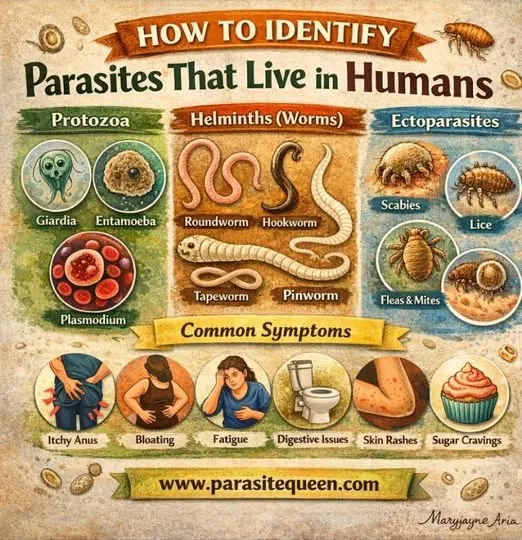
While varicose veins alone do not confirm parasitic infection, some individuals with chronic parasite exposure may experience additional symptoms such as digestive discomfort, fatigue, nutrient deficiencies, skin irritation, itching, food sensitivities, or unexplained inflammatory symptoms.
When these symptoms occur alongside vascular problems, some practitioners consider the possibility that underlying infections may be contributing to systemic inflammation.
**Blood Tests That May Provide Insight**
Certain blood markers may offer clues when inflammation or immune activation is present.
Tests sometimes considered include:
Complete blood count
Iron studies including ferritin
Vitamin B12 and folate
Vitamin D
Magnesium
Homocysteine
C reactive protein
Liver function tests
Eosinophil levels, which can sometimes increase with parasitic infections
In cases where parasites are suspected, stool testing or specialized diagnostic testing may also be considered.
**Supporting Circulation While Addressing the Terrain**
Improving vein health often requires a comprehensive approach that supports circulation while also addressing underlying inflammation.
Helpful strategies may include daily walking to activate the calf muscle pump, maintaining good hydration, supporting gut health, ensuring adequate intake of protein and micronutrients, and reducing sugar and ultra processed foods that can fuel inflammation.
Plant compounds such as horse chestnut, diosmin, hesperidin, grape seed extract, and vitamin C are commonly used to support vascular tone and strengthen connective tissue.
**A Traditional Remedy for Swollen Veins**
One traditional remedy used for generations to soothe swollen or irritated veins is the application of raw cabbage leaves.
Dark green cabbage leaves contain natural anti inflammatory compounds including anthocyanins, glutamine, and sulfur containing compounds that help calm inflamed tissues. These compounds are also present in many cruciferous vegetables known for their detoxification and anti inflammatory properties.
When uncooked cabbage leaves are placed on the skin they may help draw excess fluid from swollen tissues through a mild osmotic effect. This can temporarily reduce pressure around inflamed veins and ease discomfort.
Cabbage leaves also contain vitamin C and antioxidants that support collagen and vascular integrity. Many people gently crush the leaves to release their natural juices before applying them to the affected area for one to two hours or overnight.
While this traditional approach will not eliminate varicose veins, it may help soothe swelling and irritation associated with venous inflammation.
**Looking Beyond the Surface**
Varicose veins rarely develop from a single cause. Weak vein valves, connective tissue changes, inflammation, lymphatic congestion, metabolic stress, and lifestyle factors often combine to create the conditions that allow veins to enlarge.
In some individuals, chronic infections or parasites may add another layer of stress to the vascular system by increasing inflammation, depleting nutrients, and disrupting immune balance.
By looking beyond the visible vein and considering the broader terrain of the body, it becomes possible to better understand why these changes develop and how circulation may be supported.
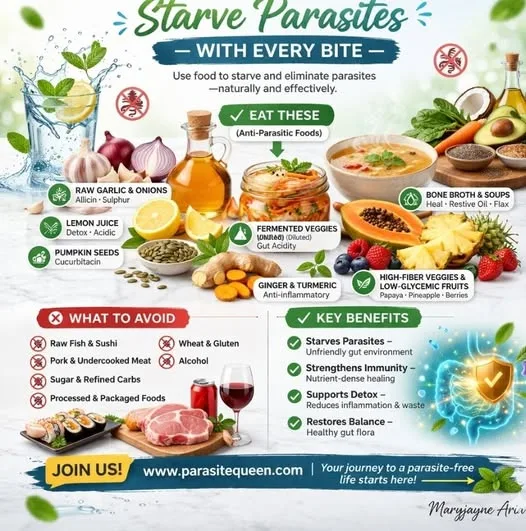
For parasite protocols and approaches to removal, please see previous posts or visit the Parasite Queen website for further advice.
The more we understand this ecosystem, the better we can support balance within it.
If you would like to explore the subject of parasites further, there are hundreds of articles explaining different parasites, their life cycles, symptoms, and approaches to cleansing and recovery available at:
Written by Maryjayne Aria, author of the book Immune Health, Terrain & GcMAF.
FEEL FREE TO FOLLOW ME
SHARE FROM MY PERSONAL PAGE
SHARE THIS POST