The statistic is confronting.
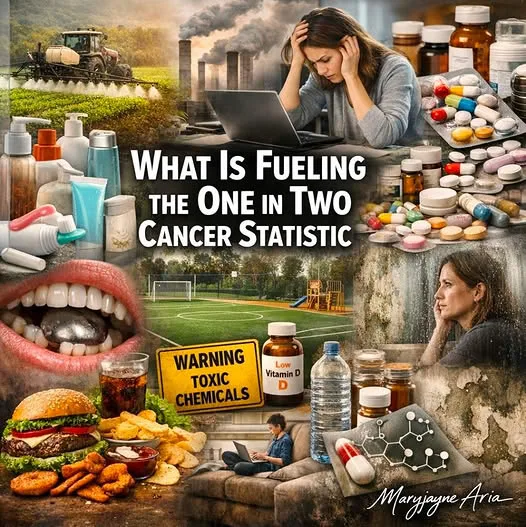
Across much of the developed world, one in two people will face a cancer diagnosis at some point in their lifetime. It reflects cumulative lifetime risk across populations living with modern environmental pressures.
But when we step back and look at the broader picture, we have to ask an honest question.
What has changed?
Life today is layered with stressors that did not exist in this intensity even fifty years ago.
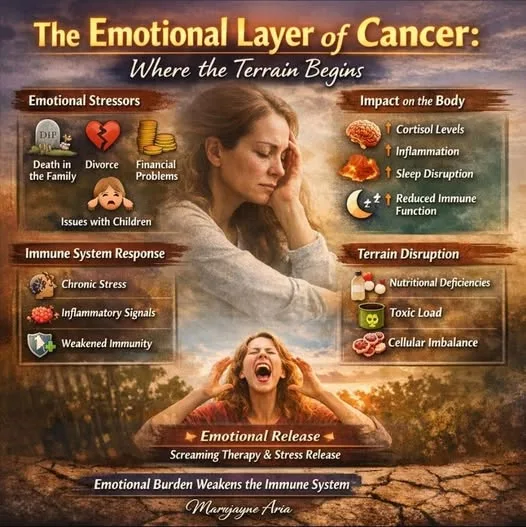
Chronic stress has become normalized. Financial strain, digital overload, constant news cycles, social pressure, sleep deprivation. Cortisol remains elevated for months or years at a time. Persistent stress alters immune function, impairs cellular repair, and increases inflammatory signaling. Changing natural hormone balance with contraception and other pharmacuitical drugs. When immune surveillance weakens, abnormal cells have more opportunity to survive.
Sun exposure has decreased while indoor living has increased. As a result, low vitamin D3 levels are extremely common. Vitamin D is not just a vitamin. It functions as a hormone and plays a crucial role in immune regulation, cellular differentiation, and apoptosis, the process by which damaged cells self destruct. Numerous studies associate low D3 status with higher risks of certain cancers. While supplementation is not a cure, maintaining optimal levels appears protective.
Our food and water supply has changed dramatically. Crops are frequently treated with herbicides such as glyphosate. Ultra processed foods contain additives that alter gut microbiota and metabolic signaling. Hormone disrupting compounds can enter through packaging, plastics, and residues. These factors may influence estrogen metabolism, insulin signaling, and inflammatory pathways. Floride contaminates our drinking water. Mercury is in dental fillings. Vaccine programs increase without chemistry and little biology not to mention no real longevity of study.
And it is not only food.
We are now learning that certain pharmaceutical drugs carry documented cancer risks. Certain hormone replacement therapies, some long term immunosuppressive medications, specific chemotherapy agents used for other cancers, and prolonged use of particular medications have been associated with increased risk of secondary malignancies. It is scientifically accurate that some medications alter immune function, DNA repair, or hormonal balance in ways that can increase long term risk of developing cancer.
Hormones themselves are being influenced from multiple angles. Environmental endocrine disruptors, obesity driven aromatase activity, insulin resistance, synthetic hormones, and even certain medications can shift the delicate balance of estrogen, progesterone, testosterone, and thyroid hormones. Hormonal imbalance is strongly linked to breast, prostate, endometrial, and other cancers.
Movement has declined. Sedentary behavior impairs lymphatic flow, increases insulin resistance, and reduces mitochondrial efficiency. The body was designed for motion. Without it, detoxification slows and inflammatory markers rise.
We are also exposed to a constant stream of chemicals. Personal care products, cleaning agents, artificial fragrances, detergents, cosmetics, flame retardants, and plastics. Individually they may fall within regulatory safety limits. Collectively and chronically, the biological impact is more complex and still under investigation.
There is growing discussion in both clinical and integrative circles about the parasitic issues are more common than many people realize, particularly low grade or chronic infestations that go undetected for years. Global travel, imported food, close contact with animals, changes in gut microbiome diversity, and rising immune dysfunction all create conditions where parasites can persist quietly. Many standard stool tests miss intermittent shedding organisms, and mild symptoms such as bloating, fatigue, skin issues, brain fog, or altered bowel habits are often attributed to stress, diet, or irritable bowel syndrome without deeper investigation. While not every unexplained symptom is caused by parasites, it is increasingly acknowledged that chronic infestations can evade detection, especially when immune resilience is compromised. Careful testing, clinical judgment, and a balanced approach are essential rather than assumption or fear.
There is another factor rarely discussed in scientific reports but deeply relevant.
Joy.
Human beings are biologically wired for connection, purpose, creativity, sunlight, laughter, and meaning. Modern life often reduces time outdoors, reduces community, and replaces physical interaction with screens. Chronic emotional suppression, loneliness, and lack of fulfillment affect neuroendocrine pathways. Dopamine, oxytocin, serotonin, and endorphins are not luxuries. They influence immunity and inflammation. A life depleted of joy may subtly weaken resilience over decades.
The immune system eliminates abnormal cells daily. The real question becomes not only why abnormal cells form, but why they are not removed early.
The statistic of one in two should not produce fear. It should produce awareness.
Awareness invites action.
Optimizing vitamin D3 levels.
Reducing unnecessary chemical exposure.
Supporting gut health and metabolic balance.
Moving daily.
Managing stress intentionally.
Questioning long term medication use when alternatives exist.
Prioritizing sleep.
Rebuilding joy and connection.
Risk is shaped by environment, but environment can be modified.
Modern life presents new challenges. The human body still has extraordinary adaptive capacity when supported appropriately.
The conversation about cancer must move beyond genetics alone and toward terrain, resilience, and long term lifestyle patterns.
Not fear based.
Not simplistic.
But informed, thoughtful, and grounded in both science and responsibility.
The above is a short list of precursers to cancer.
Written by Maryjayne Aria
FEEL FREE TO FOLLOW ME
SHARE FROM MY PERSONAL PAGE
SHARE THIS POST