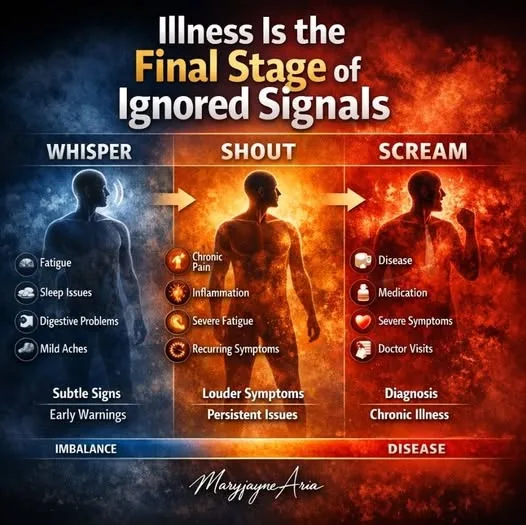
HIV is still too often explained only through viral load, CD4 counts and pharmaceutical control. While these markers are important, they do not fully describe how a person actually feels or functions day to day. Many people living with HIV report persistent fatigue, inflammation, neurological symptoms, digestive imbalance, emotional strain and reduced resilience even when the virus itself is considered well managed. This gap between laboratory markers and lived experience highlights the importance of terrain biology.
Terrain biology looks at the body as an integrated system rather than isolated parts. The terrain includes immune communication, inflammatory balance, metabolic efficiency, gut microbiome health, detoxification capacity, mitochondrial energy and emotional regulation. HIV exists within this internal environment, but it does not operate independently of it. The condition of the terrain strongly influences how the body adapts to long term immune challenges.
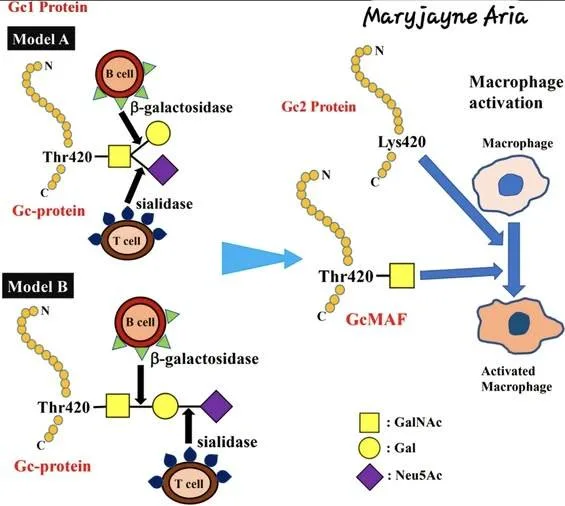
One key marker that reflects terrain stress is Nagalase. Nagalase is not a viral marker. It reflects immune suppression and impaired macrophage activation. Elevated Nagalase is often associated with chronic immune activation, inflammatory burden, co infections, metabolic strain and emotional stress. When Nagalase is elevated, the natural activation of macrophages is reduced.
Macrophages are central regulators of the terrain. They help resolve inflammation, clear damaged cells, assist detoxification, support tissue repair and communicate with both the nervous and metabolic systems. When macrophage activity is impaired, the terrain becomes congested. Inflammation lingers. Recovery slows. The body becomes less resilient to stress. This helps explain why many people with HIV experience symptoms that are not directly explained by viral activity alone.
GcMAF becomes relevant in this context because it supports macrophage activation when Nagalase interferes with normal biological pathways. It does not treat HIV and does not act on the virus itself. Its role is to support immune communication and terrain regulation. Practitioners working within terrain based frameworks explore GcMAF when immune suppression and chronic inflammation persist despite viral control.
Importantly, GcMAF has no known toxicity or reported systemic side effects. This makes it of interest in long term immune support strategies where safety and biological compatibility matter. Practitioners often emphasise that GcMAF is not used in isolation but alongside foundational terrain support such as nutrition, gut health, stress reduction, sleep optimisation, detoxification support and metabolic stabilisation.
Reports from practitioners working with terrain based approaches describe encouraging patterns. These include improved immune regulation, reduced inflammatory burden, clearer energy, improved emotional stability and greater overall resilience in some individuals. These observations are not framed as cures or guarantees. They reflect the impact of supporting immune communication rather than suppressing symptoms.
The future of HIV care increasingly involves this broader perspective. Viral suppression remains essential, but long term quality of life depends on restoring immune balance and reducing chronic immune stress. Understanding Nagalase, macrophage function and terrain biology empowers individuals to participate more actively in their own health.
HIV does not define the whole story. The terrain matters. Immune communication matters. Supporting the body’s natural regulatory systems opens space for resilience, stability and hope grounded in biology rather than fear.
Please share this post to help spread informed, terrain based understanding.
Join the GcMAF Science and Research group for ongoing education and discussion: